logo

Einzelheiten zu den Produkten

Created with Pixso. Haus Created with Pixso. Produits Created with Pixso.
Widerstanddraht
Created with Pixso.

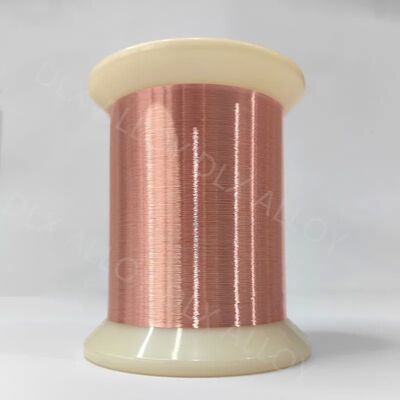
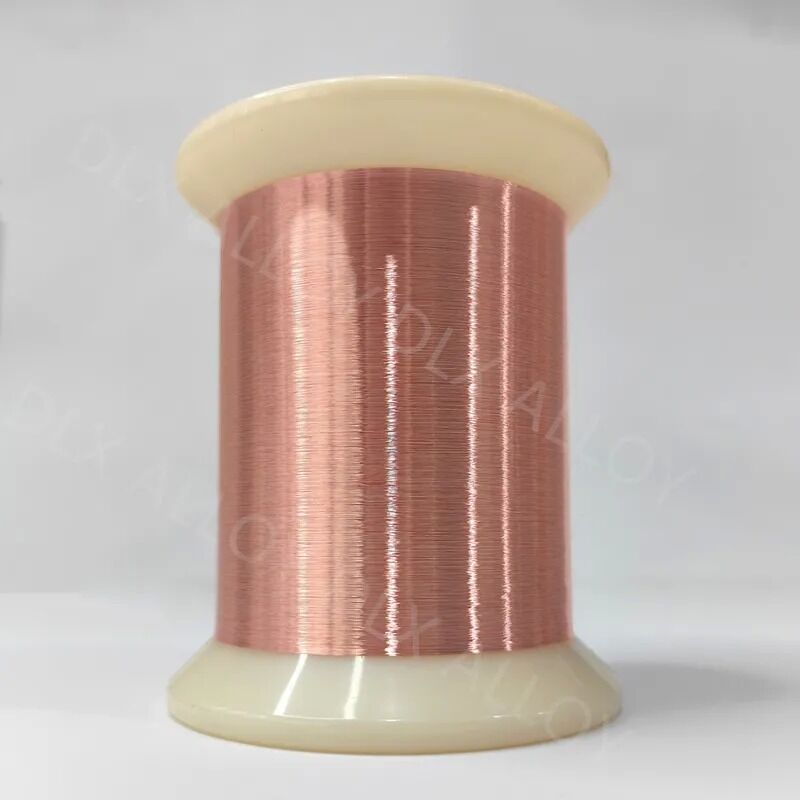
CuNi1 Alloy Wire: Cost-Effective Solution for Electrolysis Hydrogen Systems

CuNi1 Alloy Wire: Cost-Effective Solution for Electrolysis Hydrogen Systems

Markenbezeichnung: DLX
Modellnummer: CuNi1 Draht
MOQ: 10kg
Zahlungsbedingungen: L/C, D/A, D/P, T/T, Western Union
Versorgungsfähigkeit: 500 Tonnen pro Monat
Einzelheiten
Herkunftsort:
China, Jiangsu
Zertifizierung:
Ce,Rohs
Versorgungsmaterial-Fähigkeit:
500 Tonnen pro Monat
Hervorheben:

CuNi1 alloy resistance wire

,

electrolysis hydrogen system wire

,

cost-effective CuNi1 wire

Produkt-Beschreibung
CuNi1 Alloy Wire: Cost-Effective Solution for Electrolysis Hydrogen Systems
CuNi1 Alloy Wire: Cost-Effective Solution for Electrolysis Hydrogen Systems 0
The growing demand for clean energy solutions has made hydrogen a central player in the global energy transition. Hydrogen produced via electrolysis is emerging as a key method for generating green hydrogen, and at DLX, we are excited to offer CuNi1 alloy wire, a cost-effective and high-performance material for hydrogen generation systems. CuNi1 alloy wire combines the electrical conductivity of copper and the corrosion resistance of nickel, making it the perfect solution for efficient, long-lasting electrolysis applications.
Product Introduction
CuNi1 alloy wire is engineered to meet the demanding requirements of water electrolysis systems, which split water into hydrogen and oxygen using electrical current. Whether you're working with alkaline electrolysis, PEM (Proton Exchange Membrane) electrolysis, or high-temperature electrolysis, CuNi1 wire offers the perfect balance of performance, durability, and cost-efficiency.
This copper-nickel alloy is specifically designed to provide high corrosion resistance in aggressive electrolytic environments, outstanding thermal stability, and excellent mechanical strength, ensuring that it meets the rigorous needs of large-scale hydrogen production systems.
Material Properties
Material Resistivity 200°C μΩ.m Max Working Temperature (°C) Tensile Strength (MPa) Melting Point (°C) Density (g/cm³) TCR *10⁻⁶/°C (20-600°C) EMF vs Cu (μV/°C) (0-100°C)
CuNi1 0.03 200 210 1085 8.9 <100 -8
CuNi2 0.05 200 220 1090 8.9 <120 -12
CuNi6 0.1 220 250 1095 8.9 <60 -18
CuNi8 0.12 250 270 1097 8.9 <57 -22
CuNi10 0.15 250 290 1100 8.9 <50 -25
CuNi14 0.2 300 310 1115 8.9 <30 -28
CuNi19 0.25 300 340 1135 8.9 <25 -32
CuNi23 0.3 300 350 1150 8.9 <16 -34
CuNi30 0.35 350 400 1170 8.9 <10 -37
CuNi34 0.4 350 400 1180 8.9 0 -39
CuNi44 0.5 400 420 1200 8.9 <-6 -43
Size Range
Wire 0.08-7.5mm
Ribbon (0.05-0.35)×(0.5-6.0)mm
Strip (0.50-2.5)×(5-180)mm
Rod 8-50mm
Key Features of CuNi1 Alloy Wire
Superior Corrosion Resistance
CuNi1 wire is designed to perform in highly corrosive environments. Whether it's the alkaline or acidic conditions in electrolysis systems, CuNi1 maintains its integrity over extended periods of use. This corrosion resistance makes it a highly reliable option for long-term hydrogen production.
High Thermal Stability
Electrolysis systems often involve high temperatures. CuNi1 wire is capable of withstanding temperatures of up to 300°C, ensuring stability and consistent performance throughout the operational cycle.
Mechanical Strength for Durability
With a tensile strength of 410 MPa, CuNi1 is strong enough to handle mechanical stresses without breaking or cracking, which enhances the longevity of electrolysis systems.
Efficient Electrical Conductivity
Copper is a well-known conductor of electricity, and CuNi1 retains this excellent conductivity, ensuring minimal energy loss during electrolysis. This feature makes CuNi1 a highly efficient material for maximizing hydrogen production.
Low Expansion Rate
CuNi1's low coefficient of thermal expansion means it won't stretch or shrink excessively in response to temperature fluctuations, which can lead to cracking or failure in less resilient materials.
CuNi1 Alloy Wire: Cost-Effective Solution for Electrolysis Hydrogen Systems 1 CuNi1 Alloy Wire: Cost-Effective Solution for Electrolysis Hydrogen Systems 2
Advantages of CuNi1 Alloy Wire
Cost-Effectiveness
CuNi1 offers exceptional performance at a competitive price, making it an attractive option for industrial-scale hydrogen production. It provides high reliability without the premium cost of other specialized alloys.
Longer Lifespan
Thanks to its corrosion resistance and thermal stability, CuNi1 alloy wire lasts longer than many alternative materials, which translates to lower maintenance costs and fewer replacements over time.
Increased Hydrogen Production Efficiency
CuNi1's excellent electrical conductivity and thermal properties help maximize energy efficiency, improving the overall efficiency of the electrolysis process, leading to higher hydrogen yields with less energy input.
Versatility
CuNi1 wire is ideal for various types of electrolysis systems, including alkaline electrolysis and PEM electrolysis, making it a versatile solution for diverse hydrogen production methods.
Industry Insight: The Growing Hydrogen Economy
As governments and industries continue to push for sustainable energy solutions, the hydrogen economy is poised for growth. Hydrogen is being hailed as a crucial element in decarbonizing hard-to-electrify sectors like heavy industry, long-haul transportation, and energy storage. As such, hydrogen production, especially green hydrogen, is becoming a critical part of the global effort to reduce carbon emissions.
One of the most widely adopted methods of hydrogen production is water electrolysis, which splits water molecules into hydrogen and oxygen using electricity. When powered by renewable energy sources, electrolysis offers a clean method for producing green hydrogen with minimal carbon emissions. As the demand for hydrogen increases, so does the need for high-performance materials that can handle the challenging conditions inside electrolyzers.
CuNi1 alloy wire plays an important role in making electrolysis more efficient and cost-effective. By ensuring that electrolysis systems last longer, perform better, and require less energy to produce hydrogen, CuNi1 wire contributes directly to making hydrogen production more sustainable.
Applications of CuNi1 Alloy Wire
CuNi1 alloy wire is primarily used in the following applications:
Electrolysis Systems for Hydrogen Production: CuNi1 wire is a key material in both alkaline and PEM electrolysis systems, offering excellent corrosion resistance, thermal stability, and electrical conductivity for efficient hydrogen production.
Energy Conversion Systems: CuNi1 wire is used in power conversion equipment, where its ability to handle both electrical current and thermal stress ensures stable, long-term performance.
Heaters and Other Industrial Applications: CuNi1's thermal properties make it an ideal material for heating elements and other high-temperature applications in various industries.
CuNi1 Alloy Wire: Cost-Effective Solution for Electrolysis Hydrogen Systems 3 CuNi1 Alloy Wire: Cost-Effective Solution for Electrolysis Hydrogen Systems 4
Why Choose DLX?
DLX has established itself as a leading supplier of CuNi1 alloy wire, and we pride ourselves on offering our clients both superior materials and unparalleled service. Here's why DLX is the best choice for your hydrogen generation needs:
Reliable Quality
Every batch of CuNi1 alloy wire undergoes extensive testing to ensure it meets stringent performance standards. DLX guarantees that all materials provided will perform optimally in your systems.
Customized Specifications
We offer tailored solutions to meet your specific needs, including customized diameters, wire lengths, and other specifications to ensure the wire fits seamlessly into your electrolysis setup.
Global Reach and Fast Delivery
DLX has an established global supply chain, allowing us to deliver CuNi1 alloy wire to clients worldwide, with fast and efficient shipping to ensure your projects stay on schedule.
Expert Technical Support
Our team of technical experts is available to offer guidance and troubleshooting for your electrolysis systems, ensuring you get the best performance out of your equipment.
CuNi1 Alloy Wire: Cost-Effective Solution for Electrolysis Hydrogen Systems 5 CuNi1 Alloy Wire: Cost-Effective Solution for Electrolysis Hydrogen Systems 6 CuNi1 Alloy Wire: Cost-Effective Solution for Electrolysis Hydrogen Systems 7
Frequently Asked Questions (FAQ)
What is CuNi1 alloy made of?
CuNi1 is a copper-nickel alloy made up of approximately 90% copper and 10% nickel, offering both the electrical conductivity of copper and the corrosion resistance of nickel.
How does CuNi1 alloy wire perform in electrolysis?
CuNi1 wire performs excellently in both alkaline and PEM electrolysis systems, with outstanding corrosion resistance, high thermal stability, and efficient electrical conductivity.
What are the advantages of using CuNi1 for hydrogen production?
CuNi1 offers cost-effective performance with long-term durability, lower maintenance costs, and higher efficiency, making it ideal for large-scale hydrogen production.
Can CuNi1 withstand high temperatures?
Yes, CuNi1 can operate at temperatures up to 300°C, making it suitable for high-temperature electrolysis systems.
Is CuNi1 wire customizable?
Yes, DLX offers customized CuNi1 wire in various diameters and specifications to meet the unique requirements of your electrolysis systems.
What is the lifespan of CuNi1 alloy wire?
Due to its corrosion resistance and thermal stability, CuNi1 wire can last for many years, even under harsh electrochemical conditions.
Can CuNi1 wire be used for other applications?
Yes, CuNi1 wire is used in various other industrial applications, including heating elements and power conversion systems.
What makes CuNi1 wire a cost-effective solution?
CuNi1 offers a high performance at a competitive price, making it ideal for large-scale hydrogen production without the need for expensive specialty alloys.